
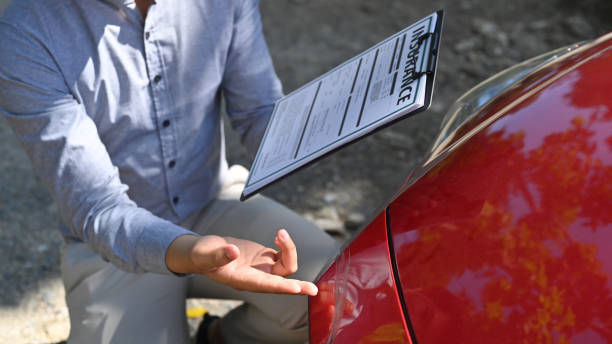
When researching auto insurance policies, you’ve likely come across the term “full coverage. ” While it’s commonly used by insurers, it’s important to note that “full coverage” is not a specific type of insurance but rather a combination of various coverages designed to offer robust financial protection. Understanding what full coverage entails and why it’s valuable is key to making informed decisions about your policy.
What Does Full Coverage Include?
- Covers damages or injuries you cause to another person or their property in an accident where you are at fault.
- Usually required by state laws, with minimum limits varying by jurisdiction.
- Pays for repairs to your vehicle if it is damaged in a collision with another car or object, regardless of fault.
- Theft
- Vandalism
- Weather-related incidents (hail, floods, etc.
- Animal-related accidents (e. g.
- Covers your medical expenses and vehicle damage if you’re hit by a driver without adequate insurance.
Why Is Full Coverage Important?
- Enhanced Financial Protection
Without collision and comprehensive coverage, you could be left paying out-of-pocket for expensive vehicle repairs or replacement costs after an accident or unforeseen event. - Peace of Mind
Knowing that your car is protected under various circumstances reduces stress about what might happen on the road—or even while parked. - Loan or Lease Requirements
If you’re financing or leasing a vehicle, lenders often require full coverage as part of the agreement to ensure their asset is protected. - Coverage for Unpredictable EventsComprehensive insurance adds protection against risks like theft, natural disasters, and vandalism—situations that liability-only policies won’t cover.
When Should You Consider Full Coverage?
While full coverage can offer extensive financial security, it isn’t always necessary for every driver or vehicle.
| Scenario | Why Full Coverage May Be Beneficial |
| Your car is new or high-value | Repairs or replacements can be costly without proper insurance protection |
| You live in areas prone to theft | Comprehensive coverage helps mitigate risks related to car theft |
| Financing/Leasing your vehicle | Lenders typically require both collision and comprehensive insurance |
| High-risk driving environments | Areas with congested traffic increase accident likelihood |
Balancing Costs vs Benefits
Full coverage offers extensive protections but comes at a higher premium compared to liability-only policies.
- Assess your vehicle’s value: If your car’s worth is low (e. g. , under $5,000), paying extra for full coverage may not be cost-effective.
- Consider your risk tolerance: If replacing your car after an accident would significantly impact your finances, full coverage might be worthwhile.
- Evaluate deductible levels: Opting for higher deductibles can reduce premium costs while keeping essential protections intact.
With proper understanding of what full coverage includes and its importance in certain situations, drivers can make more informed choices about their auto insurance needs while balancing affordability with comprehensive protection options tailored to their circumstances.
Key Factors to Consider When Choosing Car Insurance Companies Westerville
There are several factors to evaluate before making a decision. Below, we break down the most important considerations to help you make an informed choice.
Auto insurance policies often come with various types of coverage.
– Liability CoverageThis is required by law in most states.
– Collision Coverage: Pays for repairs or replacement of your vehicle following an accident, regardless of fault.
– Comprehensive Coverage
– Personal Injury Protection (PIP): Covers medical expenses for you and your passengers after an accident.
– Uninsured/Underinsured Motorist Coverage
Each type plays a critical role in safeguarding both your finances and well-being, so choose options based on your driving habits and risk tolerance.
State Requirements
Every state has minimum auto insurance requirements, but these often provide only basic liability coverage. While meeting legal obligations is essential, consider whether additional coverage might better protect you financially.
For example: | State Minimum Liability | Recommended Additional Coverage | |————————–|———————————-| | $25,000 for bodily injury per person | Collision and comprehensive coverage | | $50,000 total per accident | Higher liability limits (e. g.
A policy tailored to your personal circumstances offers greater peace of mind than one that merely meets state requirements.
Cost plays a significant role when choosing car insurance, but avoid simply going for the cheapest option without evaluating the level of protection offered.
Factors that impact premiums include: – Your driving history – Vehicle make and model – Annual mileage – ZIP code (location risk factors) – Credit score (in some states)
To balance affordability with adequate coverage: 1. Compare quotes from multiple insurers. 2. Explore discounts for bundling policies (e. g. , home + auto). 3. Inquire about safe driving programs that may lower rates over time.
The efficiency of an insurer’s claims process can significantly impact your experience during stressful situations like accidents or emergencies. Key points to research include: – Customer reviews on responsiveness. – Availability of 24/7 support. – Mobile app features for claim filing. – Average claim processing times.
Additionally, check third-party ratings from organizations like J. D. Power or AM Best to gauge overall customer satisfaction and financial stability.
Deciding on deductible amounts is another critical factor when purchasing car insurance: – A higher deductible generally lowers premiums but increases out-of-pocket expenses during claims. – Lower deductibles reduce immediate financial strain after an incident but come with higher monthly costs.
Furthermore, confirm that policy limits align with potential risks—for instance: | Type | Suggested Minimum Limit | Why it’s Important | |———————|————————-|————————————————| | Bodily Injury | $100k per person | Prevents personal liability beyond coverage | | Property Damage | $50k | Protects against high repair/replacement costs |
Choose limits based on assets you’re protecting as well as worst-case scenarios such as major accidents involving multiple vehicles.
Careful consideration of these factors ensures you select a car insurance policy that meets both legal requirements and your individual needs while fitting within your budgetary constraints.
Each type of coverage offers specific protection for different situations, and knowing what they entail can help you make an informed decision.
Bodily Injury Liability: Pays for medical expenses, lost wages, and other costs incurred by injured parties.Property Damage Liability: Covers repair or replacement costs for damaged property, such as vehicles or structures.
Liability coverage does not cover your own injuries or damages to your vehicle—it solely protects third parties.
This type of coverage is particularly useful if: – You have a newer or high-value vehicle. – Repairing or replacing your car would be financially burdensome.
- , floods, hailstorms) – Falling objects (e. g.
This coverage is often required by lenders if you lease or finance your car.
Personal Injury Protection is available in certain states and covers: – Medical expenses for you and your passengers after an accident. – Lost wages if your injuries prevent you from working. – Rehabilitation costs and sometimes funeral expenses.
PIP works regardless of who was at fault in the accident.
Uninsured Motorist (UM) Coverage: Covers injuries sustained in accidents involving uninsured drivers.Underinsured Motorist (UIM) Coverage: Kicks in when the at-fault driver’s liability limits are too low to cover the full extent of damages.
Given that many drivers operate without sufficient coverage, this option can provide valuable peace of mind.
Gap insurance is specifically designed for individuals financing or leasing their vehicles. This prevents you from being financially responsible for paying off a loan on a vehicle that’s no longer drivable.
| Coverage Type | What It Covers | Required by Law? |
| Liability | Injuries/damages to others | Yes |
| Collision | Damage to your vehicle due to collisions | No |
| Comprehensive | Non-collision events like theft, weather damage | No |
| PIP | Medical expenses/wage loss for driver and passengers | Varies by state |
| Uninsured/Underinsured | Expenses caused by uninsured/underinsured motorists | Varies by state |
| Gap Insurance | Loan/lease balance beyond actual cash value | No |
Key Considerations When Choosing Coverages
Selecting the right mix of coverages depends on several factors: 1.State Requirements: Ensure compliance with minimum legal requirements where you live. 2.Vehicle Value: Older cars might not need comprehensive/collision if their value is low. 3.Driving Habits: Long commutes or driving in high-risk areas may justify more extensive coverage. 4.Budget Constraints: Balance affordability with adequate financial protection.
Understanding these options helps ensure you’re prepared for unforeseen circumstances while avoiding unnecessary expenses.
Tips for Reducing Auto Insurance Westerville OH Premiums Without Losing Coverage
Reducing your car insurance premium doesn’t have to mean compromising on the quality of coverage or leaving yourself underinsured. By understanding how auto insurance works and considering several practical strategies, you can save money while still ensuring you have adequate protection. Below are some actionable steps you can take to lower your car insurance premium without sacrificing coverage.
Shop Around and Compare Policies
One of the most effective ways to reduce your premium is by comparing quotes from multiple insurers. Each provider calculates premiums differently, meaning rates for similar coverage options can vary significantly.
- Ensure each quote is based on the same level of coverage, deductibles, and limits.
- Look for discounts or promotions tailored to your circumstances.
- Consider smaller or regional insurers that may offer competitive rates.
Explore Discounts You May Qualify For
Insurance companies often offer a variety of discounts that can help reduce premiums.
- Safe Driver Discounts: Available if you maintain a clean driving record over time.
- Bundling Discounts: Combining auto insurance with other policies like home or renters insurance.
- Low Mileage Discounts: If you drive fewer miles annually than average, you could qualify for lower rates.
- Good Student Discounts: For students maintaining good academic records.
- Vehicle Safety Features: Cars equipped with anti-theft devices or advanced safety features may qualify for discounts.
Increase Your Deductible
Raising your deductible – the amount you pay out of pocket before insurance covers expenses – can significantly lower monthly premiums.
- Ensure you have enough savings to comfortably cover the higher deductible in case of an accident.
- Evaluate whether the potential long-term savings outweigh the immediate financial risk.
| Deductible Amount | Average Monthly Premium Reduction | Risk Factor |
| $250 | Low | Low |
| $500 | Moderate | Medium |
| $1,000 | High | High |
Adjust Coverage for Older Vehicles
If your car is older and its market value has declined substantially, consider adjusting optional coverages like collision or comprehensive insurance. These coverages may no longer be cost-effective if their cost exceeds the vehicle’s worth.
Maintain a Good Credit Score
In many states, insurers use credit scores as part of their premium calculations. A better credit score often translates into lower premiums.
- Pay bills on time and in full whenever possible.
- Reduce outstanding debt balances relative to available credit limits.
- Regularly monitor your credit report for errors or inaccuracies.
Drive Safely and Avoid Claims
Your driving behavior directly impacts how much you pay for car insurance over time. Maintaining a clean record not only avoids surcharges but could also make you eligible for safe driver discounts in the future.
- Following traffic laws and speed limits at all times.
- Avoiding distractions like texting while driving.
- Taking defensive driving courses approved by your insurer (often resulting in an additional discount).
Consider Usage-Based Insurance (UBI) Programs
Many insurers now offer usage-based programs that monitor driving habits via a smartphone app or device installed in your car. If you’re a careful driver who doesn’t log many miles annually, UBI programs could reward you with substantial savings based on performance metrics such as braking habits, speed consistency, and mileage driven.
Implementing one or more of these strategies allows policyholders to effectively balance affordability with sufficient protection against financial risks associated with accidents or other unforeseen events on the road.

The Role of Deductibles in Your Auto Insurance Policy and How They Work
Deductibles play a pivotal role in determining how much you pay out-of-pocket for car insurance claims and can significantly affect the overall cost of your policy. Understanding how deductibles work and their impact on your insurance can help you make informed decisions about your coverage.
What Are Deductibles?
A deductible is the amount of money you agree to pay out-of-pocket before your car insurance coverage kicks in to cover the remaining expenses.
- Collision Coverage: Covers damage to your vehicle from a collision with another vehicle or object.
Types of Deductibles
- Fixed Dollar Amount Deductible: This is a set amount (e. g. , $500 or $1,000) agreed upon when purchasing your policy.
- Percentage-Based Deductible: Common for certain comprehensive claims (like hail or flood damage), this deductible is a percentage of the car’s insured value.
| Coverage Type | Example Deductible | When It Applies |
| Collision | $500-$1,000 | After an accident involving another vehicle/object |
| Comprehensive | $250-$1,000 or 2% | Theft, weather events like hail or flooding |
How Do Deductibles Impact Premiums?
- Higher Deductible = Lower Premiums
Selecting a higher deductible reduces the amount insurers may have to pay on claims. As a result, they offer lower monthly premiums. - Lower Deductible = Higher Premiums
Opting for a lower deductible means less out-of-pocket expense when filing a claim but results in higher monthly premium payments.
For example: – A driver with a $1,000 collision deductible may pay a premium of $70 per month. – The same driver with a $250 collision deductible might face premiums closer to $100 per month.
Choosing the Right Deductible
- Your Financial Situation:
Can you comfortably afford to pay the chosen deductible out-of-pocket after an accident? If not, choosing a lower deductible may be wise despite the slightly higher premiums. - Driving Habits:
If you’re driving frequently in high-risk areas (e. g. , congested cities), opting for lower deductibles may provide greater peace of mind. - Vehicle Value:
For older vehicles with low market value, choosing higher deductibles may make more sense since repair costs could exceed the car’s worth.
Pros and Cons of High vs.
| High Deductible | Low Deductible |
| Lower monthly premiums | Higher monthly premiums |
| Higher out-of-pocket costs | Lower out-of-pocket costs |
| Suitable for financially stable individuals | Ideal for those who prefer minimal upfront expenses |
Understanding how deductibles work can help tailor your auto insurance policy to suit both your budget and risk tolerance. Take time to evaluate these factors carefully before making any adjustments.
Why Comparing Car Insurance Quotes Can Save You Money and Improve Coverage
When it comes to car insurance, many people settle for the first policy they come across, often missing out on the opportunity to save money or secure better coverage. Comparing car insurance quotes is a critical step in finding the right policy that meets your financial and coverage needs. Below, we’ll explore why this process is so important and how it can benefit you.
Benefits of Comparing Car Insurance Quotes
- Insurers use various factors like driving history, age, location, and vehicle type to calculate premiums. These factors are assessed differently by each provider, which means prices can vary significantly.
- By gathering multiple quotes, you can identify lower-cost options for similar coverage levels.
- Example: A driver might receive a $1,200 annual premium from one company but find a comparable policy for $950 with another insurer.
- A single insurer may not always provide the best combination of coverage options that suit your needs. Comparing quotes allows you to evaluate what’s included in each policy.
- Look for customizable policies where you can add or remove coverages like roadside assistance or rental car reimbursement.
- Researching multiple insurers gives you an idea of standard rates based on your profile (e. g. , age group or driving record). This knowledge ensures you don’t overpay for coverage.
- When shopping around, you may discover discounts that weren’t offered by your current provider.
- Multi-policy discounts (bundling auto with home insurance)
- Safe driver discounts
- Low mileage discounts
How to Compare Car Insurance Quotes Effectively
- Gather Necessary Information:Ensure you have details about your vehicle (make/model/year), driving history (tickets/accidents), and required coverage levels ready when requesting quotes.
- Use Online Comparison Tools:Many websites allow consumers to compare multiple insurers simultaneously based on their preferences.
- Contact Insurers Directly:While online tools are helpful, speaking with agents may provide insights into hidden coverages or additional offers not listed online.
- Evaluate Beyond Price:Cheaper isn’t always better. Look at liability limits, deductible amounts, add-ons offered, and customer reviews before making a decision.
Sample Comparison Table
| Coverage Type | Insurer A | Insurer B | Insurer C |
| Premium (Annual) | $1,200 | $950 | $1,050 |
| Liability Limits | 50/100/50 | 50/100/50 | 100/300/100 |
| Collision Coverage | Yes | Yes | Yes |
| Comprehensive Coverage | Yes | Yes | Yes |
| Roadside Assistance | Optional | Included | Optional |
From this table: – Insurer B offers the lowest premium but only includes average liability limits. – Insurer C has the most robust liability protection but charges slightly more.
Tips for Getting Accurate Quotes
To ensure accuracy when comparing policies:
– Provide consistent information across all insurers regarding your driving habits and vehicle details.
– Be honest about past accidents or violations; inaccurate information can lead to incorrect pricing or claim denials later on.
– Revisit comparisons annually or whenever significant life changes occur (e. g. , buying a new car).
Taking time to compare car insurance quotes not only puts money back in your pocket but also ensures you’re adequately protected on the road.
Steps to Take After an Accident to Ensure Your Car Insurance Claim Is Processed Smoothly
Dealing with the aftermath of a car accident can be stressful, but taking the correct steps can help ensure your car insurance claim is processed efficiently and without unnecessary delays. Here’s a detailed guide on what you should do following an accident.
Prioritize Safety First
- Move to a Safe Location: If it’s safe to move your vehicle and the accident is minor, relocate to the side of the road or a less busy area.
- Check for Injuries: Ensure everyone involved in the accident is safe. Call emergency services immediately if there are any injuries.
- Turn On Hazard Lights: Use hazard lights or reflective markers to alert other drivers of the incident.
Document the Scene
Gathering evidence at the scene is crucial for speeding up your claim process.
- Take Photos: Document all damage to vehicles, license plates, road conditions, and any debris from the collision.
- Record Details: Write down details about:
- Time, date, and location of the accident.
- Weather conditions.
- The other driver’s name, contact information, insurance company, and policy number.
Collect Witness Information
If there are witnesses present: – Ask for their names and phone numbers. – Briefly note their description of what they saw.
Having witness statements can strengthen your case if there are disputes about fault.
File a Police Report
In many jurisdictions, filing a police report is mandatory after an accident. Even if it’s not legally required: – Contact local law enforcement to have an official record created.
– Request a copy of this report for your insurance company.
A police report serves as valuable documentation when filing your claim.
Notify Your Insurance Company Promptly
To initiate your claim efficiently: 1. Call or use your insurer’s mobile app as soon as possible after the incident. 2. Provide accurate details about what happened during the accident. 3. Share any photos or evidence collected at the scene with your claims representative.
Delays in notifying your insurer could result in complications with coverage eligibility or processing timeframes.
Understand Your Coverage
Before proceeding with repairs or medical expenses: – Review your policy to understand what is covered under collision or liability insurance. – Confirm whether you have rental car coverage while repairs are underway.
Follow Up Consistently
The claims process may take several weeks depending on its complexity. To ensure smooth progress: 1. Stay in regular communication with your claims adjuster. 2. Respond promptly to requests for additional information or documentation. 3. Keep track of all emails and correspondence related to your case for reference purposes later on.
| Step | Action Required |
| Document Scene | Take photos; record relevant details |
| Notify Insurance | Contact insurer quickly; provide accurate details |
| File Police Report | Obtain official record through law enforcement |
| Maintain Communication | Follow up consistently until resolution |
By following these steps carefully, you can navigate post-accident procedures more confidently and minimize delays in processing your insurance claim effectively.
- Best Car Insurance Companies Westerville Drivers Can Trust for Affordable Premiums
- Understanding Full Coverage: Insights from Car Insurance Agents in Westerville
- Understanding How Car Insurance Companies Westerville Cater to New and Inexperienced Drivers
- Essential Auto Insurance Tips for New Drivers in Westerville OH
- The Key Differences Between Car Insurance Companies Westerville and Car Warranties
- Finding the Best Car Insurance Agents in Westerville: What New Drivers Need to Know
- Top Car Insurance Companies Westerville Drivers Can Rely On for Smart Coverage